

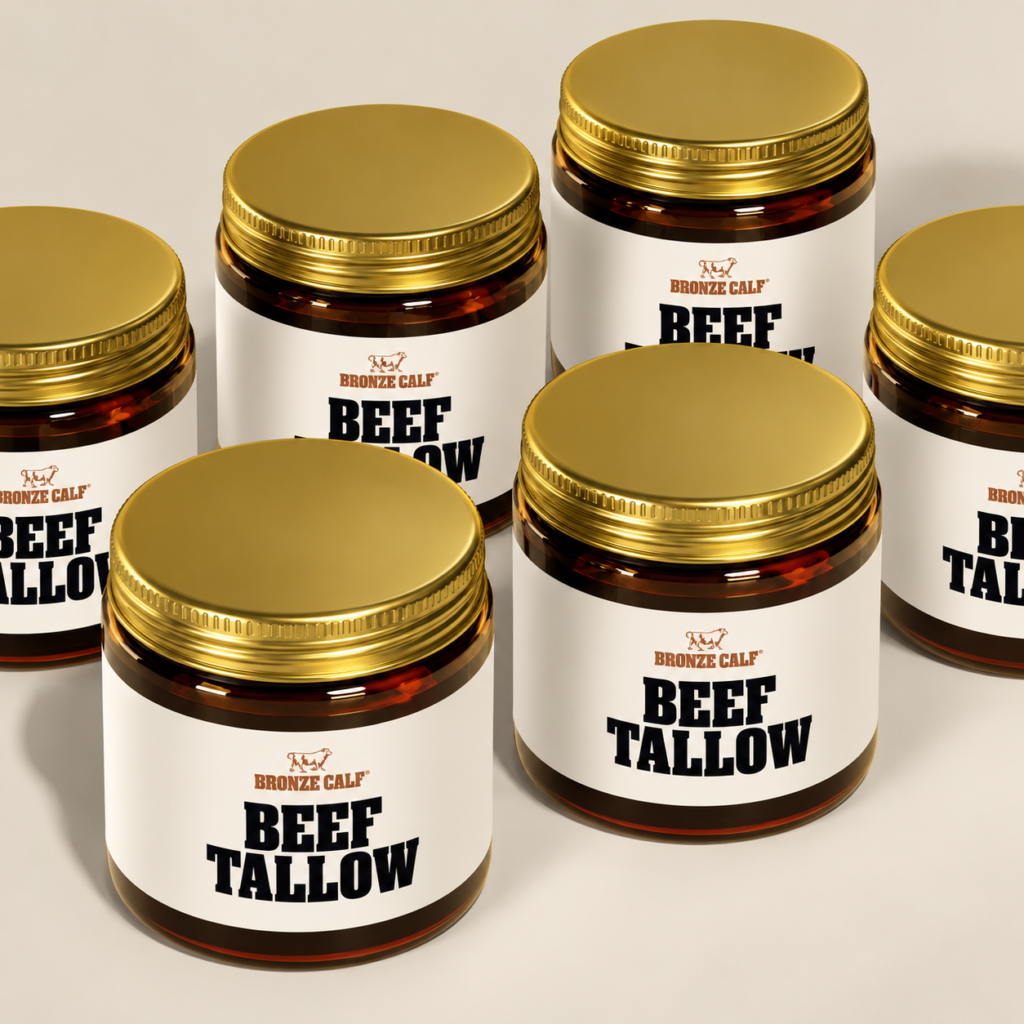
So you’ve got your jar of Bronze Calf Pure Beef Tallow – now what do you do with it? In this post, we’ll walk you through practical tips and techniques for cooking with beef tallow. From frying the perfect french fries to roasting vegetables and even baking, you’ll learn how to make the most of this versatile fat. Cooking with tallow is easy and rewarding, and these pointers will ensure you get the best results (crispy edges, golden browning, and big flavor boosts!) every time.
Deep-frying in beef tallow is a game changer. To fry foods (like chicken, fries, fish) in tallow, follow these steps and tips:
Use enough tallow: Scoop or spoon out the solid tallow into your fryer or deep pot. You’ll need enough to fully submerge whatever you’re frying (just as you would with any frying oil). Tallow will melt as it heats – its volume doesn’t expand, so the amount you put in is what you’ll fry with.
Heat gradually to the right temperature: One important tip – let the tallow heat up to the proper frying temperature (around 350–375°F) before adding foodgirlcarnivore.com. Because tallow is solid when cool, it takes a bit longer to liquefy and come up to temp. Use a frying thermometer if possible. Dropping food in too early (before the fat is hot) can cause soggy resultsgirlcarnivore.com. When tallow is ready, it will be completely clear liquid and shimmering, but not smoking.
Fry in small batches: Like with any deep-frying, avoid crowding the pot. Fry foods in batches so you don’t overly cool the tallow with too much food at once. Crowding can lead to temperature drops and greasier food. Tallow’s high heat stability helps it recover temperature quickly, but still best to give each piece some space.
Observe color and aroma: Tallow has a neutral-to-beefy smell when heated, but it shouldn’t smell burnt. If you see smoke or a harsh smell, your heat is too high (beyond tallow’s smoke point ~400°F). Turn it down slightly. Properly heated tallow yields a gentle sizzle when food is added. As the food fries, you’ll notice it often turns a beautiful golden brown even faster than in vegetable oil – that’s a good thing! Crispness comes quickly with tallow, so watch your timing to avoid over-browning.
Drain and reuse: Once your goodies are fried to perfection (golden and crisp), remove them with a slotted spoon or basket. Let excess tallow drip back into the pot, then transfer the food to a rack or paper towels to drain further. Lightly salt immediately (yum!). After frying, allow the tallow to cool a bit, then strain it through a fine mesh or cheesecloth into a clean jar. You’ll see any crumbs filtered out. Cap the jar and store this used tallow for your next fry – you can reuse tallow several times, as it remains stablegirlcarnivore.comgirlcarnivore.com. If the tallow looks cloudy or has lots of particles, you may want to clarify it or use it for a less delicate fry next time. Otherwise, it’s good to go again.
Some foods to try frying in tallow: French fries (tallow fries are unbelievably crispgirlcarnivore.com), fried chicken, chicken wings, battered fish (fish and chips were traditionally fried in tallow or lard), doughnuts and churros (for that classic bakery flavor), and even falafel. Many people find that once they fry in tallow, they don’t want to go back – it produces a cleaner-tasting fried food that’s crispy not greasy. Remember, top fast-food chains originally chose tallow for fries for a reason – it yields superior texture and flavor.
Pan-frying & sautéing: You don’t have to deep-fry to enjoy tallow. For everyday stove cooking like sautéing or shallow pan-frying, tallow works beautifully:
Preheat the pan: Add a spoonful of tallow to your skillet and let it melt over medium heat. Because tallow is solid, you’ll see it liquefy and coat the pan. Once it’s fully melted and just starting to shimmer, the pan is ready for food.
Don’t be afraid to use enough fat: For searing meats or frying something like hash browns, use a generous amount of tallow – enough to lubricate the entire pan surface and then some. For sautéing vegetables or aromatics, a tablespoon or two is usually plenty. Tallow clings well to foods, so you might find you need a bit less than you would of oil to keep things from sticking.
Achieve a great sear: When pan-frying meat (steaks, chops, burgers), get the pan and tallow nice and hot (medium-high heat). Pat the meat dry, season it, and lay it in the hot tallow. You should hear an immediate sizzle. Tallow’s high smoke point allows you to get that deep brown crust without burning the fatuhhospitals.org. For example, a ribeye steak seared in tallow will develop a gorgeous crust in a couple minutes per side. You can even spoon some of the hot tallow over the steak as it cooks (a quick baste) for added contact and flavor. The result is a steakhouse-quality sear and rich taste. After searing meat in tallow, some chefs like to add a knob of butter for flavor during resting – that’s optional, as the tallow already imparts great taste.
Vegetable sauté and stir-fry: Use tallow to sauté hardy vegetables like mushrooms, peppers, onions, or to do a quick stir-fry of greens. The flavor it adds can turn a simple veggie side into something special. For instance, sautéed cabbage in tallow with salt and pepper can be incredibly tasty (it brings out a meaty sweetness in the cabbage). When stir-frying, keep the heat high – tallow can handle it – and toss quickly. You’ll get a nice char on veggies without smoking up the kitchen. Many people doing keto or paleo use tallow to cook their veggies to both add healthy fats and make the veggies more satisfying.
Roasting foods with beef tallow is a surefire way to boost flavor and texture. Here’s how to do it:
Roasted Vegetables: Take your favorite roasting veg – potatoes, carrots, sweet potatoes, Brussels sprouts, parsnips, etc. Preheat your oven to about 200°C (400°F). Spoon a dollop of tallow (solid is fine) onto your baking sheet or roasting pan and place it in the oven for a minute or two until the tallow melts. Meanwhile, prep your veggies (peel, cut into uniform pieces). Carefully remove the pan with melted tallow (it will be hot!) and toss the veggies in the hot tallow right on the pan. They should glisten and be lightly coated. Sprinkle your seasonings (salt, pepper, herbs) and quickly return the pan to the oven. The initial contact with hot fat helps jump-start the browning process – similar to the British trick of preheating oil for roast potatoesreddit.com (we’re doing it with tallow for even better effect). Roast, stirring or flipping halfway, until the veggies are tender inside and crisped on the edges. Potatoes roasted in beef tallow deserve special mention: they are often hailed as the best roast potatoes, with an unbeatable crispy crustseriouseats.com. For extra crispness, you can even parboil potato chunks first, drain, rough them up, then roast in tallow as per the famous methodseriouseats.com. The tallow will ensure a crunchy, golden exterior that’s simply addicting. Roast carrots and parsnips take on a lovely caramelization with tallow, too, and you might find even picky eaters enjoy their veggies when cooked this way!
Roasting Meats & Poultry: When roasting larger cuts of meat (like a beef roast, whole chicken, lamb shoulder), you can use tallow in a few ways. Rub softened tallow over the meat’s surface before seasoning. This effectively “bastes” the meat in its own type of fat. For example, rubbing a chicken with tallow (instead of butter or oil) and then seasoning it will promote beautifully browned, crispy skin as it roasts. The tallow fat layer helps conduct heat evenly and keeps the outside from drying out. You can also add a spoon of tallow to the roasting pan – as it melts, it mingles with the meat juices for a self-basting effect. Every so often, open the oven and spoon some of the hot fat over the meat (especially for roasts that take a while). This keeps things moist and adds flavor. One hack: if you’re roasting something lean like venison or a very lean beef roast, larding it with tallow (inserting small pieces into slits in the meat) can prevent dryness. In BBQ circles, it’s not uncommon to wrap a smoked brisket with some beef tallow to keep it juicy during the final stage – a testament to tallow’s ability to enhance succulence.
Baking in Tallow (Savory Pies & More): Roasting and baking can blend together when it comes to savory pastries. If you’re baking a batch of meat pies, pasties, or sausage rolls, consider using tallow in the pastry dough. You can substitute tallow for shortening or lard in many savory pie crust recipes. Chill the tallow until it’s firm and cut it into the flour as you would with any fat. Tallow pastry tends to be very flaky and sturdy (and flavorful!). Bake your pies as usual – they might even brown a bit nicer thanks to the tallow. This is more of a specialty use, but worth trying if you love baking and experimenting with traditional fats.
We touched on searing in the pan, but tallow can also be used in other high-heat applications:
Steak Finishing on Grill: If you’re grilling steaks or burgers, you can rub a bit of melted tallow on the meat just before finishing. Some chefs will sear a steak on a ripping hot grill, then brush it with tallow for that final hit of juiciness and flavor as it rests. The tallow melts over the steak, almost like a finishing butter (but beefier). This is an insider trick for steak lovers – try brushing a grilled steak with a mix of tallow and garlic/herb at the end. It’s phenomenal.
Cast Iron and Flat Top Cooking: When making smash burgers or searing on a cast iron plate or griddle, using tallow is ideal. It has the heat tolerance for high-temp griddle cooking. Pre-grease your cast iron with a scoop of tallow and get it smoking hot (just at the edge of smoking). Then sear your burgers or flat-top steaks in it. You’ll get that gorgeous crust (the Maillard reaction in full effect) and tallow’s non-stick qualities will keep the meat from adhering to the pan. Many burger aficionados insist that cooking patties in a bit of tallow is the key to a perfect diner-style burger – it adds both flavor and a crisp-edged crust to the patty. The same goes for searing scallops or stir-frying fajita meat; any quick sear can benefit from tallow.
Grilling Vegetables: You can also toss veggies (peppers, zucchini, mushrooms) in melted tallow before throwing them on the grill. It will help them char nicely without sticking, and infuse them with a savory note. Use it like you would an oil spray – but natural. Just melt some tallow and brush it on the veggies or even on the grill grates to season them.
While most sweet baking isn’t a typical domain for beef tallow (due to the meaty aroma), you can absolutely use tallow for certain baking adventures:
Biscuits and Flatbreads: Small amounts of tallow can be used in biscuit dough or skillet cornbread to add richness. For instance, a Southern-style biscuit could use half butter, half tallow – you’d get butter’s flavor plus tallow’s flaky shortening power. People on dairy-free diets sometimes use tallow in place of butter in baking. It works best in recipes that also have other strong flavors (like spices, molasses, etc.) to mask any faint beef note.
Frying Doughs: As mentioned, doughnuts or churros fried in tallow come out excellent. Some traditional recipes (like Pennsylvania Dutch fastnachts or New Orleans beignets) historically used animal fat for frying – lard or tallow – yielding a superior texture.
Seasoning Bakeware: Outside of edible baking, you can use tallow to season your cast iron pans and even baking sheets. After cleaning a cast iron, rub a thin layer of tallow all over and bake it in a low oven for an hour. Tallow’s stability helps create a hard seasoning layer. It’s a great natural alternative to using polymerized flaxseed or vegetable oil for this purpose.
A few quick pointers on storing and handling your beef tallow:
Room Temp Storage: You can keep your tallow in an airtight container in a cool, dark place (like a pantry or cupboard) for up to 12 monthsbronzecalf.com. Make sure the container is truly airtight – tallow can absorb odors from the environment (you don’t want it picking up that cupboard mustiness). Bronze Calf tallow comes in a sealed jar perfect for pantry storage. Many people simply leave it on the counter if they use it daily.
Refrigeration: Not required, but if you want your tallow to last even longer or if your kitchen runs very warm, you can refrigerate it. It will turn rock solid in the fridge, but you can scoop some out with a sturdy spoon or warm it slightly to soften. Refrigerated, tallow can last well beyond a year (even 18+ months) since cold slows any oxidation furtherthecoconutmama.com.
Portioning: If you have a large amount of tallow, consider dividing it into smaller jars. That way, you only open what you need and keep the rest fresh. Also, having a smaller jar to dip into regularly is convenient.
Clean Utensils: Always use a clean, dry utensil to scoop tallow from the jar. Introducing water or food particles can reduce its shelf life (water can encourage spoilage). Treat it like butter – keep it clean to keep it fresh.
Reuse notes: If you’ve used tallow for deep-frying and strained it, it’s fine to store that used tallow separately (labeled, so you remember it’s used). You might want to use used tallow for frying similar items again (for example, reuse fish-fry tallow for another fish fry, but maybe not for doughnuts to avoid flavor transfer). If the used tallow ever smells off or too fishy/smoky, it’s time to discard it. But if it still smells clean, it’s good to go.
Disposal: If you ever need to dispose of tallow, remember that it solidifies at room temp. Don’t pour large quantities down the drain – it could solidify in pipes. Instead, pour it into a disposable container to cool and solidify, then toss it, or reuse it in non-food ways (some folks use old tallow to make fire starters, candles, or feed the birds as mentioned). But honestly, if you’re cooking with tallow often, you’ll rarely need to throw it out – it’s too useful!
To get your creative juices flowing, here are a few recipe ideas and usage suggestions where beef tallow can shine:
Perfect Roast Potatoes: Parboil chunks of potatoes, rough them up, then roast in a preheated pan of beef tallow at high heat. Turn once. Result: the crispiest, golden-brown roasties that will rival any you’ve hadseriouseats.com. Season with rosemary and sea salt – heaven!
Tallow-Fried Chicken Wings: Toss wings in a little salt and baking powder (for crispness), then shallow-fry or deep-fry in tallow until super crispy. The tallow makes the skin blister and crunch. Toss in your favorite wing sauce or enjoy as is with a pinch of salt.
Sautéed Greens: Take a hearty green like kale or collards. Sauté in tallow with garlic until tender. Finish with a splash of vinegar. The tallow adds a savory depth that turns simple greens into a comfort dish.
Burger Upgrade: Next time you grill or griddle burgers, pre-grease the pan or grill with tallow. You’ll get a better crust on the patties. You can also mix a tablespoon of chilled tallow into ground beef before forming burger patties (especially lean beef) – it will melt into the meat as it cooks, essentially “basting” the burger from the inside for extra juiciness.
Homemade Tortillas or Roti: If you’re making flatbreads, you can use tallow as the fat in the dough. For instance, some traditional flour tortilla recipes use lard – tallow can be a direct swap. It yields soft, flavorful tortillas that puff nicely. Likewise for Indian roti or parantha, a bit of tallow can be used for cooking them on the skillet instead of ghee.
By now, you should feel equipped to start cooking with beef tallow and exploring its potential. The key is to treat it as your go-to cooking fat in situations where you want high heat performance and added flavor. Don’t be intimidated by its solid form; once you scoop it out and heat it up, it behaves much like any other cooking oil – only it delivers better results in many cases! Whether you’re a home cook looking to recreate heritage recipes or a modern foodie chasing that perfect crunchy texture, beef tallow is your ally in the kitchen. Have fun and experiment – your taste buds will be rewarded with rich, crispy, and delicious food every time you use this age-old secret.
(As always, Bronze Calf is here to provide you with premium quality beef tallow to ensure your cooking adventures are the best they can be!)